
Understanding Gum Disease: Prevention, Symptoms & Treatment

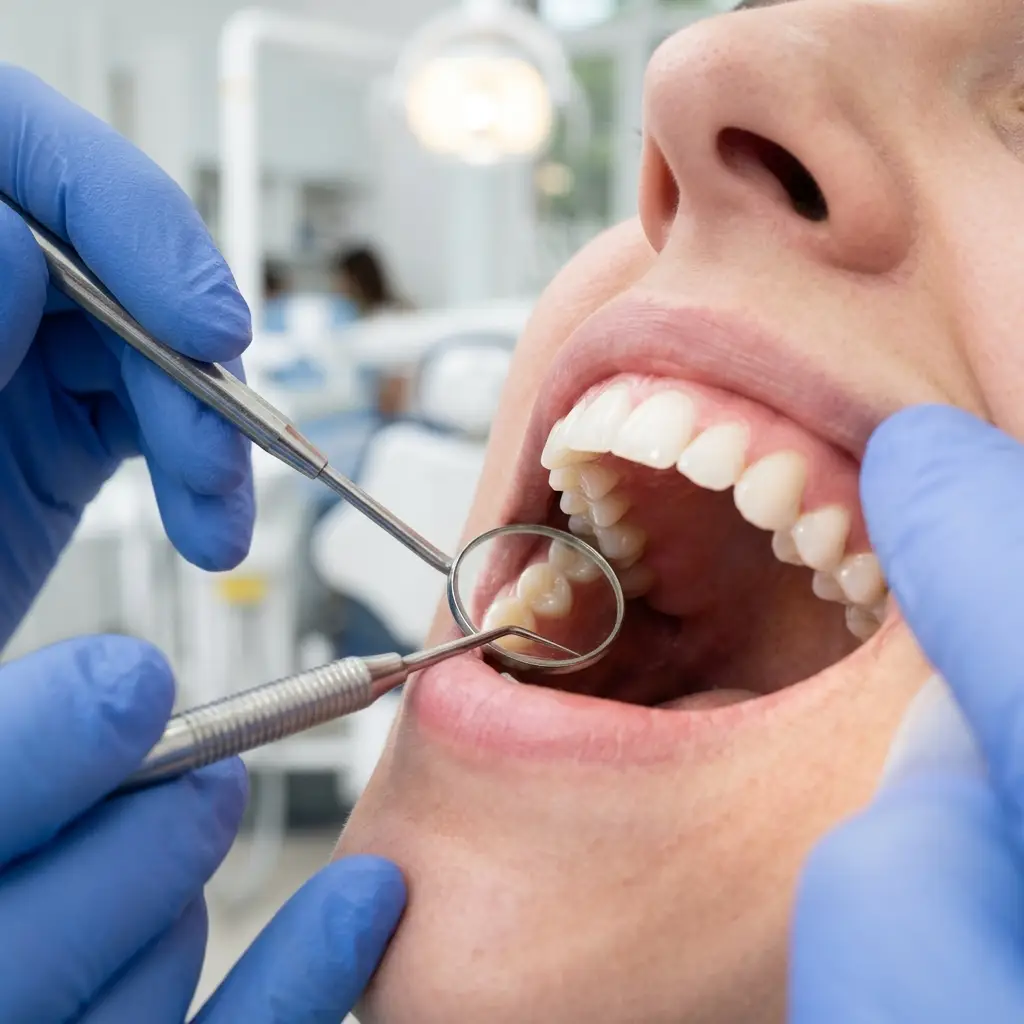
Gum disease, medically known as periodontal disease, affects nearly half of all adults over the age of 30 worldwide, according to the World Health Organization. Despite its prevalence, many patients remain unaware of its early warning signs until the condition has progressed significantly. Early detection and proper oral hygiene habits are the most effective defences against this common condition.
What Is Gum Disease?
Gum disease is a bacterial infection of the tissues that surround and support your teeth. It is caused primarily by the accumulation of plaque — a sticky, colourless film of bacteria that constantly forms on your teeth. When plaque is not removed through regular brushing and flossing, it hardens into tartar (calculus), which can only be professionally removed by a dentist or dental hygienist.
Stages of Gum Disease
Stage 1 — Gingivitis: This is the earliest and most reversible form. Symptoms include red, swollen gums that may bleed during brushing. At this stage, the bone and connective tissue holding teeth in place are not yet affected.
Stage 2 — Periodontitis: If gingivitis is left untreated, it can advance to periodontitis. The inner layer of the gum and bone pull away from the teeth and form pockets that collect debris and can become infected. This can lead to bone and tissue loss.
Stage 3 — Advanced Periodontitis: In this final stage, the fibres and bone supporting your teeth are destroyed, which can cause teeth to shift, loosen, or ultimately require extraction.
Warning Signs to Watch For
- Persistent bad breath or a bad taste in the mouth
- Red, swollen, or tender gums
- Gums that bleed during or after brushing
- Receding gums (teeth appearing longer)
- Formation of deep pockets between teeth and gums
- Loose or shifting teeth
- Changes in the way teeth fit together when biting
Prevention Tips from Our Specialist
The best way to prevent gum disease is to maintain good oral hygiene habits consistently. Brush your teeth at least twice a day using a soft-bristled toothbrush, and floss daily to remove plaque from areas your toothbrush cannot reach. Additionally, schedule professional dental cleanings and check-ups every six months to ensure early detection and removal of tartar buildup.
Avoid tobacco products, as smoking is one of the most significant risk factors associated with the development and progression of gum disease. A balanced diet rich in vitamins C and D also supports overall gum health.
Concerned About Your Gum Health?
Schedule a gum health assessment with our specialist. Early treatment prevents serious complications.
Request a Gum Check-up