
Why Flossing Is Non-Negotiable for Your Oral Health

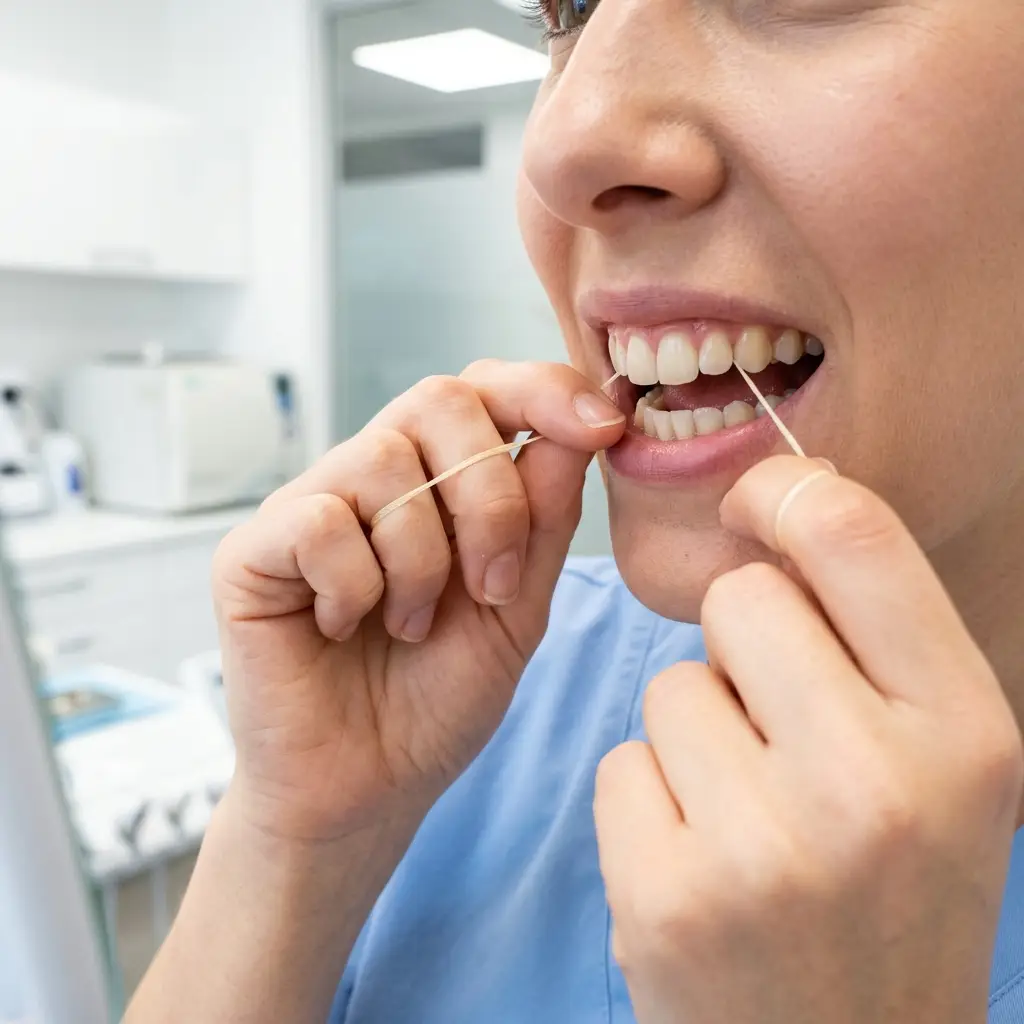
Despite being recommended by every dental professional worldwide, flossing remains one of the most neglected aspects of daily oral hygiene. Studies indicate that only about 30% of adults floss daily, and a significant number admit to never flossing at all. Yet this simple practice takes less than two minutes and can prevent serious dental conditions that lead to costly treatments.
Why Brushing Alone Is Not Enough
Your toothbrush, no matter how advanced, can only clean approximately 60% of your tooth surfaces. The remaining 40% — the tight spaces between your teeth and below the gumline — are virtually inaccessible to bristles. These are precisely the areas where plaque buildup occurs most readily and where cavities and gum disease frequently originate.
Plaque that remains undisturbed between teeth mineralises into tartar within 24-72 hours. Once tartar forms, it cannot be removed by brushing or flossing alone; professional dental cleaning is required. This is why daily flossing is so critical — it disrupts plaque before it has the opportunity to harden.
Proper Flossing Technique
- Use enough floss: Break off approximately 45 centimetres (18 inches) of floss and wind most of it around your middle fingers, leaving about 5 centimetres to work with.
- Hold it correctly: Grip the floss firmly between your thumbs and index fingers, maintaining a taut section of 2-3 centimetres.
- Guide gently: Slide the floss between your teeth using a gentle rubbing motion. Never snap the floss into your gums, as this can cause tissue damage.
- Curve around each tooth: When the floss reaches the gumline, curve it into a C-shape against one tooth and slide it gently into the space between the gum and the tooth.
- Use clean sections: As you move from tooth to tooth, unwind fresh floss from one finger and wind the used floss onto the other.
What Happens When You Don't Floss
- Interproximal cavities: Cavities that form between teeth are among the most common — and most preventable — types of dental decay.
- Gingivitis: Plaque buildup along the gumline leads to inflammation, redness, and bleeding — the hallmarks of early gum disease.
- Chronic bad breath: Trapped food particles and bacteria between teeth are a primary cause of persistent halitosis.
- Systemic health risks: Research has established links between periodontal disease and cardiovascular disease, diabetes complications, and adverse pregnancy outcomes.
Alternatives to Traditional Floss
If you find string floss difficult to use, consider alternatives that achieve the same result: interdental brushes, water flossers (oral irrigators), or pre-threaded floss picks. The best flossing tool is the one you will actually use consistently. Consult your dentist to determine which option best suits your dental anatomy and dexterity.
Need a Professional Cleaning?
Even with perfect flossing, regular professional cleanings are essential. Request yours today.
Book a Cleaning