
The Complete Guide to Dental Implants: What Every Patient Should Know

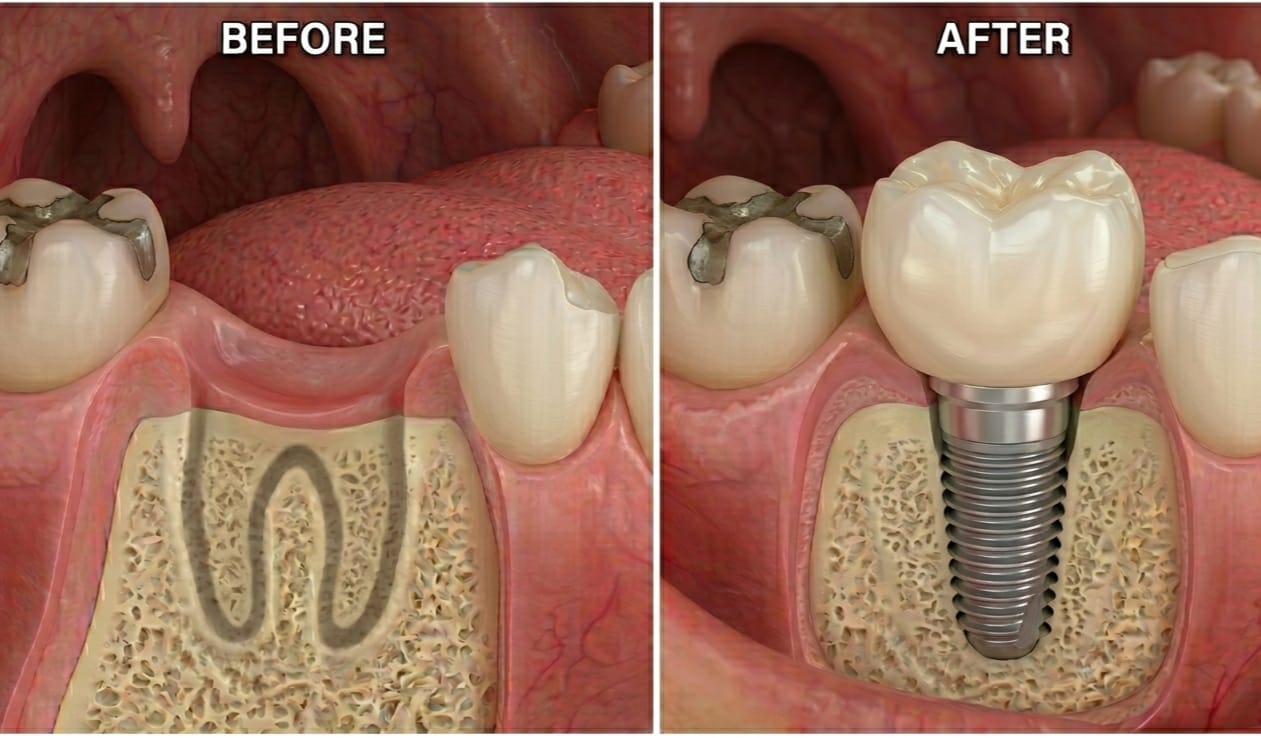
Dental implants have revolutionised modern dentistry by providing a permanent, natural-looking solution for missing teeth. Unlike traditional dentures or bridges, implants are surgically placed into the jawbone, where they fuse with the bone tissue through a biological process called osseointegration. This creates an exceptionally stable foundation for replacement teeth that look, feel, and function like natural teeth.
What Is a Dental Implant?
A dental implant consists of three components: the implant post (a titanium or zirconia screw surgically placed into the jawbone), the abutment (a connector that sits on top of the implant post), and the crown (the visible, custom-made tooth that attaches to the abutment). Together, these components replicate the structure and function of a natural tooth from root to crown.
The Implant Procedure: Step by Step
- Comprehensive evaluation: Your dentist will perform a thorough examination including digital X-rays and 3D imaging to assess bone density, gum health, and the optimal placement position.
- Implant placement: Under local anaesthesia, the titanium post is precisely placed into the jawbone. The procedure typically takes 30–60 minutes per implant.
- Healing period (osseointegration): Over the next 3–6 months, the implant fuses with the surrounding bone tissue, creating a permanent bond.
- Abutment placement: Once osseointegration is complete, the abutment is attached to the implant post.
- Crown placement: A custom-fabricated crown, matched to the colour and shape of your natural teeth, is secured to the abutment.
Benefits of Dental Implants
- Longevity: With proper care, dental implants can last 25 years or even a lifetime — significantly longer than bridges (10–15 years) or dentures (5–8 years).
- Bone preservation: Unlike other tooth replacement options, implants stimulate the jawbone and prevent the bone resorption that naturally occurs after tooth loss.
- Natural appearance and function: Implant-supported teeth are virtually indistinguishable from natural teeth in both appearance and chewing ability.
- No impact on adjacent teeth: Unlike bridges, implants do not require grinding down healthy neighbouring teeth for support.
- Improved confidence: Because implants are permanently fixed in place, patients can eat, speak, and smile with complete confidence.
Are You a Candidate?
Most adults with adequate jawbone density and good general health are candidates for dental implants. Factors that may affect candidacy include uncontrolled diabetes, heavy smoking, radiation therapy to the head or neck, and certain medications that affect bone healing. A comprehensive consultation with an implant specialist is the best way to determine if implants are right for you.
Caring for Your Implants
Dental implants require the same care as natural teeth: brushing twice daily, flossing around the implant daily, and visiting your dentist for regular professional cleanings and check-ups. While implants cannot develop cavities, the surrounding gum tissue can develop peri-implantitis (inflammation around the implant) if oral hygiene is neglected.
Considering Dental Implants?
Request a free implant consultation to find out if dental implants are the right solution for you.
Request Implant Consultation