
Why Regular Dental Check-ups Are Essential: The Six-Month Rule

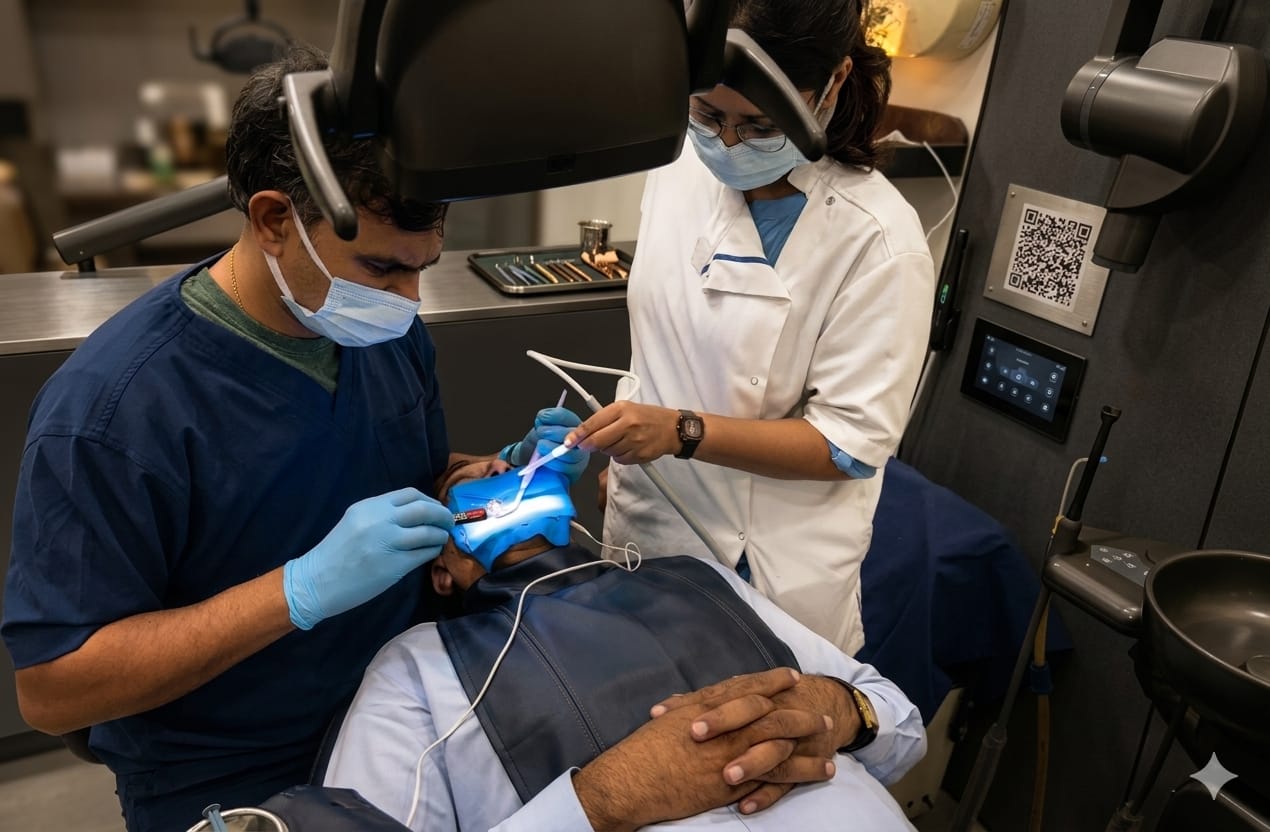
Many people only visit the dentist when they experience pain or notice a visible problem. By that point, the condition has often progressed beyond what could have been a simple, inexpensive fix. The Indian Dental Association and the American Dental Association both recommend dental check-ups at least once every six months — and for good reason.
What Happens During a Routine Check-up?
A comprehensive dental check-up involves far more than simply looking at your teeth. Your dentist will:
- Examine all teeth for signs of decay, cracks, and structural weakness
- Assess gum health by measuring periodontal pocket depths
- Screen for oral cancer — checking the tongue, throat, face, head, and neck for any abnormalities
- Evaluate existing dental restorations (fillings, crowns, bridges) for wear or damage
- Take diagnostic X-rays to detect problems not visible to the naked eye, such as impacted teeth, abscesses, or bone loss
- Perform professional cleaning to remove plaque and tartar buildup
Early Detection Saves Teeth — and Money
Dental conditions are almost always progressive. A small cavity that could be treated with a simple filling if caught early may progress to require a root canal or even extraction if neglected. The financial difference is significant: a routine filling typically costs a fraction of what a root canal and crown would cost. Regular check-ups are an investment that consistently pays for itself.
The Oral-Systemic Health Connection
Research has firmly established that oral health is closely linked to overall systemic health. Periodontal disease has been associated with several serious medical conditions:
- Cardiovascular disease: Bacteria from gum infections can enter the bloodstream and contribute to arterial plaque formation.
- Diabetes: Periodontitis can make blood sugar control more difficult, while uncontrolled diabetes increases the risk and severity of gum disease.
- Respiratory infections: Oral bacteria can be aspirated into the lungs, potentially causing pneumonia and other respiratory conditions.
- Pregnancy complications: Periodontal disease has been linked to premature birth and low birth weight.
Your dentist is often the first healthcare professional to identify signs of systemic conditions during a routine oral examination.
Professional Cleaning vs. Home Care
Even with an excellent home care routine, professional dental cleaning is necessary because tartar (hardened plaque) cannot be removed by brushing and flossing alone. Dental hygienists use specialised instruments to safely remove tartar deposits, particularly in hard-to-reach areas below the gumline. Professional polishing also removes surface stains, leaving your teeth visibly cleaner and smoother.
Making Check-ups a Habit
The simplest way to stay on track is to schedule your next appointment before leaving the clinic. At Dr Susheel Mimroth Dentistry, we also send courtesy reminders via WhatsApp so you never miss your scheduled visit. Consider it an essential part of your healthcare routine — just like an annual health check-up or eye examination.
When Was Your Last Dental Check-up?
If it's been more than 6 months, it's time to schedule one. Prevention is always better than cure.
Request Your Check-up